Prepare the barbecue for direct cooking over direct medium-high heat (200°C to 260°C) and preheat the barbecue with a Large Weber Casserole Dish.
Once the barbecue has preheated, add the 2 tablespoons of olive oil, Thai red curry paste, garlic and ginger to the casserole dish. Sauté for 2 minutes over direct medium-high heat, without the casserole dish lid, stirring as needed, keeping the barbecue lid closed as much as possible. Add the chicken stock and simmer for 5 minutes.
Add the coconut milk, brown sugar and fish sauce to the casserole dish and continue simmering for 10 minutes, stirring as needed. While the curry is simmering. Roughly cut each chicken thigh fillet into 4 to 5 pieces. Lightly coat with olive oil, season with salt and pepper. Place the chicken pieces onto the cooking grill, around the casserole dish and grill for 3 to 4 minutes per side over direct medium-high heat until golden. The chicken does not need to be completely cooked through as it will continue cooking once added to the curry.
Once the chicken has cooked, add the chicken pieces along with kaffir lime leaves, green beans and capsicum to the curry and continue simmering for 5 minutes, until the sauce has thickened slightly and the chicken has cooked through.
Remove the curry from the barbecue. Garnish with the fresh Vietnamese coriander leaves and red chilli. Serve with cooked Jasmine rice and lime wedges.
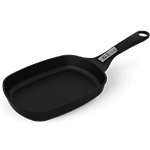
Carefully cut an 8cm circle in the top of the pumpkin, around the stem, cutting through to the centre of the pumpkin; remove and discard. Scoop out the seeds and discard. Place the pumpkin into a large Weber Ware Frying Pan or barbecue-safe dish. Add into the centre of the pumpkin the onion, garlic, 1 tablespoon of olive oil, cumin, coriander, and paprika. Toss with a spoon to combine.
Prepare the barbecue for indirect and direct cooking over medium heat (180° to 230°C).
Roast the pumpkin over indirect medium heat, with the lid closed, for 2 hours, or until the pumpkin is tender when pierced with a knife.
During the last 10 minutes of the cooking time. Toss the bread with a little olive oil. Place the bread onto the barbecue and roast over indirect medium heat for 10 minutes. Add the bacon, and barbecue over direct medium heat for 3 minutes per side.
Wearing heatproof gloves, carefully remove the pumpkin in the dish from the barbecue, along with the bacon and croutons.
Scoop the onion mixture and pumpkin flesh into a food processor or large pot. Blitz with the chicken stock. Season with salt and pepper to taste. Roughly chop the bacon.
Serve the pumpkin soup with the bacon pieces, croutons, cream, and garnish with parsley.
Prepare the barbecue for indirect cooking over medium-low heat (170° to 190°C). If using a Weber® Q barbecue, set up your barbecue with a convection tray and a trivet.
In a medium bowl mix together the caramel sauce and brandy. Add the apples and toss to coat evenly in the caramel.
Lay out one sheet of filo pastry. Cover the remaining pastry with a dry and clean tea towel to prevent drying out. Lightly brush the sheet of pastry with melted butter. Lay a second sheet of pastry over the buttered pastry. Again, brush with butter and keep layering the pastry until the pastry is six sheets thick, brushing with butter each layer. Cut the pastry into six equal squares. Place each square into the hole of a muffin tray. Repeat this process to create the six remaining pastry cases.
Fill each pastry case with the apple mixture, filling to the top as the apples will slightly reduce.
Bake the apple pies over indirect medium-low heat, with the lid closed, until the pastry is golden brown, 25 to 35 minutes.
Once cooked, remove the muffin tray from the barbecue, allow to cool for a couple of minutes. Carefully remove each pie from the tray with a butter knife. Serve warm or at room temperature with ice cream or whipped cream.
In a medium bowl combine the yeast, sugar, and warm water. Leave to sit for 5 minutes, or until foamy.
In a large bowl or bread mixer add the yeast mixture, half of the beaten eggs, vegetable oil, salt, and bread flour. Depending on the flour, you may need a little more or less, but start with 2¾ cups and add an extra ¼ cup if the dough is too sticky. Knead for 5 to 10 minutes. Place in a lightly oiled bowl, cover with plastic wrap, and leave to sit for 45 minutes to 1 hour in a warm area, or until doubled in size.
Knock back the dough and shape into 10 even balls. Place on a lined baking tray. Lightly spray plastic wrap with oil and loosely cover the tray, oiled side down. This will prevent the plastic wrap from sticking to the dough. Again, leave to rise for 30 to 45 minutes, or until doubled in size.
Prepare the barbecue for indirect cooking over medium-low heat (170°C to 190°C). If using a Weber Q® barbecue, set up your barbecue with a convection tray and a trivet.
Using a basting brush, brush the remaining beaten egg over the bread rolls. Sprinkle the sesame seeds over the rolls, if using.
Bake the bread rolls over indirect medium-low heat, with the lid closed, until the rolls are just golden and sound hollow when tapped, 12 to 14 minutes.
If using wooden skewers, soak them in water for at least 30 minutes.
Cut the salmon fillets into 2.5cm cubes. In a medium bowl mix together the oregano, olive oil, salt, pepper, garlic, chilli flakes, and sesame seeds. Add the salmon, toss to combine, and set aside to marinate for 15 minutes.
Prepare the barbecue for direct cooking over medium heat (180°C to 230°C).
Thread the salmon, asparagus, and lemon slices alternately onto skewers, and then grill over direct medium heat, with the lid closed, for 3 to 4 minutes. Using a metal spatula, carefully flip the skewers and grill for a further 3 to 4 minutes, or until cooked to your liking.
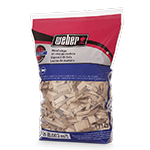
Soak wood chips in water for at least 30 minutes. We recommend hickory wood chips for this recipe.
Prepare the barbecue for indirect cooking over medium heat (180° to 230°C). If using a Weber® Q®, set up your barbecue with a convection tray and a trivet. If using a gas barbecue, set up your barbecue with smoker box(es).
Lightly coat the beef chuck steaks with 1 tablespoon of olive oil and season with salt and pepper.
Drain and add the wood chips to the charcoal or to the smoker box of a gas barbecue, following the manufacturer’s instructions. When smoke appears, roast the beef chuck steaks over indirect medium heat, with the lid closed, for 30 minutes. If you do not have smoker boxes or wood chips, simply sear the steaks over direct high heat for 3 to 4 minutes on each side.
Remove the steaks from the barbecue and set aside to rest.
Prepare the barbecue for direct cooking over medium heat (180° to 230°C). If using a Weber Q barbecue, remove the convection tray and a trivet. Place a large Weber Ware Casserole Dish (without the lid) on the barbecue, and preheat the dish with the barbecue lid closed for 5 minutes.
Add the remaining 1 tablespoon olive oil, onion, chilli, and garlic to the casserole dish and sauté over direct medium heat for 4 minutes, or until the onion is translucent. Add the celery and carrot, and continue to sauté for 4 minutes. Meanwhile, cut the steaks into 1.5cm cubes.
Prepare the barbecue for indirect cooking over medium heat (180°C to 230°C). If using a Weber Q barbecue, set up your barbecue with a convection tray and a trivet.
Return the casserole dish to the barbecue. Add the cubed beef, beef stock, wine, tomatoes, thyme, tomato paste, and bay leaves. Stir to combine all of the ingredients. Place the casserole lid on (vent steam open), and cook over indirect medium heat for 2½ to 3 hours, or until the beef is soft and tender.
Season with salt and pepper to taste, and serve with pappardelle pasta or polenta.
In a medium bowl mix together the prunes, shallot, garlic, port, rosemary, salt, and pepper. Set aside until required.
Using a sharp filleting knife, trim and remove any silver skin from the pork tenderloin. To butterfly the tenderloin: Horizontally slice the tenderloin, cutting through the centre of the meat, but not all the way through. Open the tenderloin like a butterfly. Lay a large piece of plastic wrap on the bench. Place the butterflied tenderloin on the plastic wrap and cover with another sheet of plastic wrap. Pound the meat until it is approximately 7mm thick, trying to keep the meat an even thickness. Remove the top layer of plastic wrap.
Lay a fresh sheet of plastic wrap on the bench. Vertically lay the prosciutto onto the plastic wrap, slightly overlapping the prosciutto. Flip the tenderloin on top of the prosciutto, removing the plastic wrap that was under the tenderloin.
Spread the prune mixture evenly over the tenderloin. Starting at the longest edge, roll up the tenderloin tightly, using the plastic wrap as you roll. Once rolled, refrigerate for at least 2 hours to “set” the meat. Alternatively, tie the tenderloin with kitchen string to keep it together when cooking.
Prepare the barbecue for indirect cooking over medium heat (180° to 230°C). If using a Weber® Q, set up your barbecue with a convection tray and a trivet.
Roast the tenderloin over indirect medium heat, with the lid closed, until cooked through, about 20 minutes. If desired, to crisp up the prosciutto, move the tenderloin over direct heat for 2 minutes on each side. Remove from the barbecue and leave to rest for 5 minutes before slicing.
Prepare the barbecue for direct cooking over high heat (230°C to 290°C). Place a Weber Ware Frying Pan on the barbecue to preheat.
Measure the thickness of the steaks and cut the bacon into long strips, the same thickness as the steak. Wrap the strips of bacon around the steaks and secure with kitchen string or bamboo skewers. Dice any excess bacon and set aside for the sauce.
Lightly drizzle both sides of the steaks with olive oil, and season with salt and pepper.
Barbecue the steaks over direct high heat, with the lid closed, until cooked to your liking, 3 to 5 minutes per side.
While the steaks are cooking, add the butter, garlic, excess bacon, and mushrooms to the frying pan and saute for 3 minutes, stirring with a silicone spatula or wooden spoon as needed. Add the Worcestershire sauce and cream and cook until bubbling, about 3 minutes, keeping the lid closed as much as possible.
Remove the steaks from the barbecue and leave to rest for 5 minutes before slicing and serving with the mushroom sauce.
Prepare the barbecue for direct and indirect cooking over medium heat (180° to 230°C). If using a Weber Q barbecue, set up your barbecue with a convection tray and a trivet.
Lightly coat the cherry tomatoes with oil, then season with salt and pepper. In a food processor blitz together the bread, garlic, Parmesan, and 10 basil leaves until the mixture has turned into fine crumbs. Using a basting brush, brush the mushrooms all over with oil. Season with salt and pepper.
Grill the cherry tomatoes over direct medium heat, with the lid closed, until they just start to blister, about 4 minutes, turning once halfway through cooking time. Remove from the barbecue.
Assemble the mushrooms by placing the cherry tomatoes into the mushroom cavities. Tear the cheese into small chunks and add to the mushrooms. Top with the blitzed bread crumb mixture.
Roast the portabella mushrooms over indirect medium heat, with the lid closed, for 15 to 20 minutes. If you are using a Weber Q, place the mushrooms on the trivet. Roast the mushrooms until the crumbs are golden and the mushrooms are cooked to your liking.
Finish the mushrooms with a drizzle of balsamic glaze and garnish with fresh basil leaves.
In a medium bowl combine all of the kofta ingredients. Shape into 10 portions. If desired, cover with plastic wrap and refrigerate for up to 24 hours.
Prepare the barbecue for direct cooking over medium-high heat (200° to 260°C).
Grill the koftas over direct medium-high heat, with the lid closed, until golden and cooked through, about 10 minutes, turning once.
Spread the hummus onto serving plates. Top with the koftas, garnish with mint leaves, and finish with a drizzle of pomegranate molasses.
Don’t miss out! Be the first to know about the latest news and promotions.