Prepare the barbecue for indirect cooking over medium heat (190°C to 230°C). If using a Weber Q® barbecue, set up your barbecue with a convection tray and a trivet.
In a small bowl, combine all the garlic butter ingredients. In a large bowl, combine all of the cheese mix ingredients. Using a bread knife, cut the top off the cob loaf. Tear the bread top into bite sized pieces. Pull the inner bread out of the cob loaf to create a bowl. Tear the inner bread into bite sized pieces. Coat the torn bread with 3 tablespoons of olive oil, toss to evenly coat the pieces. Add one quarter of the cheese mix into the bowl of the loaf. Next, dot one quarter of the garlic butter over the cheese mix in the cob. Repeat, continuing the layering of the cheese mix and garlic butter. Finish with a sprinkle of extra grated mozzarella cheese.
Bake the cob loaf over indirect medium heat for 20 minutes, or until the cheese is warm and the mozzarella has started to turn golden. 10 minutes into the cooking time, add the torn pieces of bread to the barbecue, and bake around the loaf (indirect medium heat) for 10 minutes.
Remove the cob loaf and torn bread from the barbecue. Garnish with chopped parsley and serve immediately.
REFRIGERATION TIME: 8 TO 9 H
RESTING TIME: 20 MIN.
In a medium bowl mix together the brown sugar, salt, ¼ cup tequila, coriander, jalapeño, lime zest, lemon zest and chilli powder. Place the salmon, skin side down, in a glass or ceramic baking dish just large enough to hold it.
Remove any pin bones using a small piece of paper towel to help you grasp one end of the bone while you pull it out. Spread the sugar mixture over the salmon, covering it entirely. Cover with plastic wrap and refrigerate for 7 to 8 hours.
Rinse the salmon well under cold running water to remove the sugar mixture. Pat it dry with paper towels, then place, flesh side up, on a baking tray. Brush the flesh with the oil and 1 tablespoon tequila. Refrigerate uncovered until the salmon looks lightly glazed, about 45 minutes.
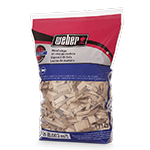
Prepare the barbecue for indirect cooking over very low heat (93° to 130°C). Brush the cooking grills clean. Drain half of the wood chips, scatter over the coals or add to the smoker box of a gas barbecue, and close the lid.
When smoke appears, roast the salmon over indirect very low heat, with the lid closed, until it is firm to the touch and has a golden patina, 55 minutes to 1¼ hours. After about 30 minutes of cooking, add the remaining wood chips. Remove the salmon from the barbecue and let cool for 20 minutes.
Meanwhile, in a medium bowl, combine all the salsa ingredients and mix well. Slice or flake the cooled salmon into bite-size pieces and serve on tortilla chips topped with the salsa.
BRINING TIME: 24 TO 48 H
About 24 to 48 hours before cooking the turkey, in a jug, combine the boiling water and the table salt, stir until mostly dissolved.
In a large container or bucket (large enough to sit the turkey in). Pour in the salt solution, add the cold water and stir. Remove the neck, giblets and large clumps of fat from the turkey cavity, reserve for another use (i.e. gravy). Submerge the turkey into the water, breast side down. If needed, place a heavy weight on top to keep the turkey submerged. Refrigerate for 24 to 48 hours. Alternatively, the turkey and brine can be condensed into a large, food-grade, heavy duty plastic bag, sitting in a container.
On the day of cooking, prepare the herb rub. Finely chop the garlic, rosemary leaves, thyme leaves, sage leaves and mix with the salt, pepper and oil to form a paste. Reserve any of the herb stalks.
Prepare the barbecue for roasting over indirect medium heat (190°C to 210°C). If using a Kettle or Summit Charcoal, be sure to place a drip pan between the fires to collect the drippings.
Remove the turkey from the brine and discard the brine. Pat the turkey dry with paper towel. Fold the wings behind the back. Rub the herb paste all over the turkey and inside the cavity. Add the herb stalks to the cavity (if desired). Tie the legs of the turkey together with butcher’s twine.
Roast the turkey over indirect medium heat for 2 hours, or until the internal temperature reaches 71°C in the thickest part of the thigh or deep into the breast, without touching the cavity. See below for a timing guide and size guide. The final doneness temperature for poultry is 74°C, the temperature will continue to rise 3 to 6°C while it’s resting.
Once the turkey has cooked, remove from the barbecue and cover with aluminium foil. Leave to rest for 30 minutes before carving.
The maximum sizes for the Weber Q® Range: Weber Baby Q® 1000: turkey roll only, Weber Baby Q1200: 3kg, Weber Q2000: 3kg, Weber Q2200: 4kg, Weber Family Q3100: 4.5kg, Weber Family Q3200: 6kg.
To calculate the cooking time for a whole turkey, allow for 20 minutes, plus an additional 20 minutes per kilogram. For example, for a 5kg turkey, allow 20 minutes plus 5 x 20 minutes for a total of 120 minutes.
If using wooden skewers, soak in water for 30 minutes.
Mash together the flesh of two avocados with the lime juice and coriander leaves. Season with salt and pepper to taste. Set aside until required
Prepare the barbecue for direct cooking over high heat (230°C to 260°C).
In small bowl combine the Cajun seasoning ingredients. Thread the prawns onto the skewers.
Lightly coat the prawn skewers with olive oil and sprinkle the seasoning evenly over the prawns.
Brush the cooking grills clean. Grill the prawns over direct high heat, with the lid closed, for 2 minutes on each side, or until they are firm to the touch and just turning opaque in the centre.
Once the prawns are cooked through, remove from the barbecue and carefully slide the prawns off the skewers.
To assemble: place a teaspoonful of the guacamole onto a corn chip, top with a prawn and finish with a coriander leaf to garnish. Repeat with the remaining prawns. Serve immediately.
To quick pickle the onions; mix together the sugar, salt and vinegar, stir to dissolve. Add the sliced red onions. Set aside until required.
Prepare your barbecue for direct cooking over high heat (230°C to 290°C).
In a dish, coat the octopus with olive oil, garlic, dried oregano, chilli flakes, salt and pepper.
To make the dressing, mix together 1 ½ tablespoons of olive oil with 1 ½ tablespoons of the pickle liquid.
Once the barbecue has preheated, brush the cooking grills clean. Place the lemon halves onto the cooking grill, cut side down and sear over direct high heat for 2 to 3 minutes, or until caramelised, remove from the barbecue and set aside. Grill the octopus tentacles over direct high heat for 6 to 8 minutes, turning once, halfway through the cooking time. Remove the tentacles from the barbecue and set aside to rest for a couple minutes.
Drain the red onion slices. Toss the pickled red onion together with the cherry tomatoes, capers and parsley. Lightly drizzle the salad dressing over the tomato mixture.
Slice the octopus into 1cm slices. Serve the octopus with the salad and caramelised lemon.
Prepare the barbecue for indirect cooking over medium-low heat (170°C to 190°C – baking setting).
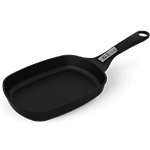
In a Weber Ware frying pan, add the butter.
Place the frying pan onto the barbecue, on a side burner or a stove top and melt the butter. Once just melted, pour the butter into a large mixing bowl. Use a piece of paper towel to spread the leftover butter residue around the pan to grease. Line the pan with a sheet of baking paper (this will help to lift the slice out once cooked).
Add the sugar into the bowl with the butter and stir to combine. Add the eggs, one at a time, stirring well after each addition. Add the flour, lemon rind, lemon juice and 1 cup of the coconut. Stir to form a cake batter. Pour the Batter into the frying pan. Sprinkle the remaining 2 tablespoons of coconut over the cake.
Bake the lemon slice over indirect medium-low heat, with the lid closed, for 30 to 40 minutes, or until a skewer inserted comes out clean.
Leave the cake to cool completely before slicing. Dust with icing sugar before serving.
Prepare the barbecue for indirect cooking over medium heat (190° to 230°C).
With a sharp knife cut the rind down each side of the pork, around the knuckle, and down the centre to free it on all sides, ensuring that you have cut right through the rind to the fat, but not into the flesh.
Place the pork on to the cooking grill. If the edges of the pork are hanging over the direct zone (above the fire), shield the sides with aluminium foil. Roast the pork over indirect medium heat for 2½ hours to blister the skin.
Combine all the glaze ingredients in a saucepan and place over high heat on the stove top; bring to a boil. Reduce the heat to a simmer and continue cooking until the liquid has reduced, about 15 minutes. Take off the heat and leave to cool slightly. Blitz the glaze in a food processor until smooth.
If using a gas barbecue with a smoker box, soak wood chips in water for at least 30 minutes.
Once the pork has cooked for 2½ hours and the skin has hardened and blistered, remove the skin with tongs. Score the fat in a diamond pattern, being careful not to cut into the flesh, as the ham flesh will dry out. The skin can be discarded or eaten.
Now that the skin has been removed, you can add smoking woods to the barbecue to smoke the ham. If using a premium gas barbecue, set up the barbecue with a universal smoker box, following the manufacturer’s instructions. Drain and add soaked wood chips to the smoker box. If using a charcoal barbecue, add two to three wood chunks to the charcoal. Continue to cook the ham for a further 30 minutes to 1 hour before glazing.
After 30 minutes to 1 hour, using a basting brush, apply a generous amount of the glaze over the ham, decorate with the star anise, securing with toothpicks if needed and continue to cook for 1 hour, glazing the ham every 20 minutes.
Once the ham is cooked and has reached an internal temperature of 68°C, remove the ham from the barbecue. The internal temperature will continue to rise 3° to 6°C while it’s resting. Leave to rest for 15 to 30 minutes before carving.
Prepare the barbecue for indirect cooking over medium-low heat (170°C to 190°C-baking setting). If using a Weber Q barbecue, set up your barbecue with a convection tray and a trivet. Lightly grease a large Weber Ware Casserole Dish with cooking oil spray and line with baking paper.
For the butter cake; using an electric mixer, beat together the butter, caster sugar and vanilla, on a medium speed until light and fluffy. Add the eggs one at a time, beating after each addition. Add half of the flour and milk, beat on a low speed until combined. Add the remaining flour and milk, continue to beat for a further minute, or until fully incorporated. Pour the batter into the casserole dish.
Bake the butter cake over indirect medium-low heat for 50 to 60 minutes, or until a skewer inserted into the centre of the cake comes out clean. Once cooked remove from the barbecue and allow to cool for 10 minutes.
Once slightly cooled, remove the cake from the dish and place onto a cake cooling rack to cool completely.
Once completely cooled, using serrated bread knife, slice into squares. If desired, freeze the squares of cake for an hour or overnight (see tips).
To make the icing; in a large bowl combine the icing sugar mixture, cocoa powder, butter, milk and water. Put the coconut into a separate bowl.
One at a time, place a square of cake into the chocolate mix, using two forks, toss the cake around to evenly coat it with the icing. Lift the cake out of the icing a let the excess icing drip off. Add the iced cake to the coconut mixture, using another two forks, toss the cake around in the coconut. Place the lamington onto a plate or cake cooling rack for the icing to set. Repeat with the remaining cake. Serve once the icing has set.
Prepare the barbecue for direct cooking over medium heat (180°C to 230°C) with a Weber Stainless Steel Grill Pan or Frying Pan to toast the cashews.
In a large bowl, add the pumpkin slices, chillies and whole garlic clove. Add the olive oil, and season with the salt and pepper. Toss to evenly coat all the ingredients.
Place the pumpkin slices and whole chillies on the cooking grill, then add the whole garlic clove to the pan. Cook the pumpkin, chillies and garlic over direct medium heat for 6 to 8 minutes per side, or until the pumpkin has caramelised and cooked through, the chillies have blackened, and the garlic clove has caramelised. Once all the ingredients have cooked, remove from the barbecue and set aside.
Add the cashews to the grill pan or frying pan and cook for 5 minutes over direct medium heat, stirring occasionally. Once golden and toasted, remove the cashews from the barbecue. If desired, roughly chop approximately 1 tablespoon of the toasted cashews, set aside to garnish the dip.
Peel the chillies, discard the stems and seeds. Peel the garlic clove. In a food processor add the chilli flesh, garlic flesh, grilled pumpkin, feta, cashews, lemon juice and olive oil. Blitz the dip into a desired consistency. Season with extra salt and pepper to taste. Spoon the dip into a serving bowl. Refrigerate until required or serve immediately.
Best served at room temperature. When ready to serve, garnish with extra feta, the chopped cashews and fresh mint leaves. Serve with toasted bread, flatbread, crackers or veggie sticks.
In a medium bowl, combine the flour, baking powder and salt. Create a well in the centre and add the yoghurt. Bring the mixture together into a soft dough. You may need add a little more flour or add a little water depending on the brand of flour. Knead the dough for approximately 5 minutes, until smooth. Cover the dough with plastic wrap and leave to rest for approximately 20 minutes while you prepare the barbecue.
Prepare the barbecue for direct cooking over high heat (260°C to 290°C) with a hotplate or Weber Grilling Stone. Alternatively, the flatbreads can be cooked straight on the cooking grill.
Divide the dough into approximately 6 portions. Roll each portion into a circle, 3mm thick, dusting the bench with flour if needed. Once rolled out, you can place each flatbread onto a square of non-stick baking paper for easy manoeuvring.
Once the barbecue has preheated. Brush the top of one flatbread with the melted ghee and place the flatbread onto the hotplate, Pulse Grilling Stone or straight onto the cooking grill, ghee side down, removing the baking paper once the flatbread is on the barbecue. Brush the other side of the flatbread with the ghee. Close the lid and cook the flatbread over direct high heat for 1 to 2 minutes, or until golden. Flip the bread and cook the other side for a further 1 to 2 minutes, or until golden on both sides and cooked through. Remove from the barbecue and place in a clean tea towel to keep warm. Continue cooking the remaining flatbreads. Serve immediately.
Don’t miss out! Be the first to know about the latest news and promotions.