In a large bowl or dish mix together all the marinade ingredients. Tie the beef fillet into a neat roast with kitchen string. Place the beef fillet in the marinade and refrigerate for at least 2 hours or overnight.
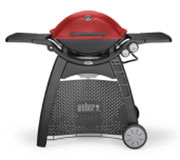
Prepare your barbecue for indirect cooking over medium heat (190°C to 230°C). If you are using a Weber Q barbecue, set up your barbecue with a convection tray and trivet.
Spread the black sesame seeds on a tray or chopping board. Remove the fillet from the marinade, shake off the excess marinade and roll in the black sesame seeds. Reserve the marinade.
Roast the fillet over indirect medium heat, with the lid closed, for 30 minutes.
While the beef is cooking, prepare the Ponzu sauce. In a saucepan combine the reserved marinade, the orange juice, and lime juice. On a side burner or stovetop, heat over medium heat until the sauce has reduced and thickened slightly. Set aside to cool while the beef is roasting.
When the beef has finished cooking, remove from the barbecue and set aside to rest for 15 minutes. Once rested, thinly slice the beef, pour half of the Ponzu sauce over the beef, and garnish with the microgreens.
Prepare the barbecue for indirect cooking over medium heat (190° to 230°C).
Using a sharp knife cut the rind around the outside of the ham, around the hock (about 10cm from the end) and straight down the centre. This will help to remove the skin later. Ensure that you have cut right through the rind to the fat, but not into the flesh.
Roast the ham over indirect medium heat, with the lid closed, until the skin is starting to separate at the centre, about 45 minutes. While the ham is cooking, make the glaze.
In a medium saucepan combine all of the glaze ingredients. Place the saucepan on a side burner or stove top over high heat and cook until just boiling. Then reduce the heat to low and simmer for 10 minutes, stirring every few minutes to prevent the glaze from burning. Remove the glaze from the heat and set aside until needed.
Remove the ham skin with tongs. Score the fat in a diamond pattern, being careful not to cut into the flesh as the ham flesh will dry out. Decorate the ham with the pineapple rings and glacé cherries, securing with toothpicks. Liberally apply a layer of the glaze over the ham.
Continue to cook the ham for a further 45 minutes, basting every 15 minutes.
Remove the ham from the barbecue and leave to rest for 15 to 30 minutes before carving.
In a food processor blend all of the stuffing ingredients to make a thick paste.
To prepare the porchetta, place the pork skin side up and in a landscape position. From the left-hand side, remove the skin from approximately one-fourth of the piece of pork to prevent the skin from being rolled inside of the porchetta.
Horizontally score the skin, if not already done so. Flip the meat over and score the flesh all over so the stuffing will penetrate into the meat.
Spread the stuffing evenly all over the meat. Roll the pork up, starting with the side with no skin. Secure with kitchen string. Dry the skin of the pork. Rub a little oil into the skin. Give the skin a good coating of salt.
To estimate the cooking time, measure the meat through its thickest part and cook for 1 minute per millimetre. For example, if the porchetta is 90mm thick, cook for 90 minutes.
Ensure your barbecue is clean and free from any grease or debris. Prepare the barbecue for indirect cooking over high heat (230° to 260°C).
Roast the pork over indirect high heat, with the lid closed, for 20 to 30 minutes to crackle the skin; avoid lifting the lid during this time.
Adjust the barbecue temperature to indirect medium heat (190° to 230°C), the roast setting, and continue to cook over indirect medium heat for the remaining cooking time, or until the internal temperature reaches 60°C for a medium result. The internal temperature will continue to rise 3°C to 6°C while resting (final doneness temperature for Pork is 63°C for medium, 68°C for medium well).
Once the pork has cooked, leave to rest for 15 minutes before carving.
To make the compound butter, combine all the compound butter ingredients in a bowl. Spoon the butter onto a sheet of plastic wrap. Roll the butter into a log shape, using the plastic wrap to assist with rolling. Refrigerate for 30 minutes to set.
Prepare the barbecue for direct cooking over high heat (250°C to 290°C).
Lightly coat the steaks with olive oil and season with salt and pepper. Remove the butter from the fridge and slice into 8 portions. Set two portions aside for the steaks and the remaining butter portions can be refrigerated in an air-tight container for 4 days or in the freezer for up to 3 months. Bring to room temperature before using.
Once your barbecue has preheated, brush your cooking grills clean. Grill the T-Bone steaks over direct high heat for 3 to 4 minutes per side for medium doneness or until cooked to your liking. To get great grill marks, press on the steaks with the back of your tongs to ensure the surface of the steaks make full contact with the hot cooking grill. During the last one minute of cooking time, place one portion of the butter on each steak.
Remove the steaks from the barbecue and leave to rest for 5 minutes before serving.
In a bowl combine the sliced chicken breast, tandoori paste, and plain yoghurt. If time permits, refrigerate for 1 hour to marinate.
To make the dough, combine the dough ingredients and mix well until smooth. Turn out onto a floured surface and knead for 10 minutes. Place into a lightly oiled mixing bowl and leave covered in a warm place for 30 minutes.
Prepare the barbecue for indirect cooking over medium-high heat (220°C to 260°C) with a Weber Pizza Stone. If you are using a Weber Q barbecue, set up your barbecue with a convection tray, trivet and the pizza stone. Preheat the pizza stone for 20 minutes, or as directed by your pizza stone instructions.
Once the dough has risen divide the mixture into two equal portions. Roll the dough out on a floured surface to the size of the pizza stone/tray (approx. 30cm). Drizzle a tablespoon of olive oil onto each tray. Place the bases onto the trays. Top each base with the tomato paste, tandoori chicken, red onion, capsicum, and finish with tasty cheese.
Place the pizza (on tray) onto the stone and bake over indirect medium-high heat, with the lid closed, for 20 to 25 minutes or until the cheese is golden.
Remove the pizza from the barbecue wearing heatproof gloves. Repeat cooking process to cook the second pizza.
Finish the pizzas with dollops of yoghurt and garnish with coriander.
Prepare the barbecue for direct cooking over medium heat (200°C to 230°C).
Lightly coat the chicken breasts and corn cobs with olive oil and season with salt and pepper.
Once the barbecue has preheated, place the chicken breasts and corn onto the cooking grill over direct medium heat, with the lid closed, grill the chicken for 8 to 10 minutes per side, and grill the corn for 12 minutes, quarter turning the corn every 4 minutes. Once the corn and the chicken have cooked, set aside to rest for 5 minutes.
Slice the kernels off the corn cobs and slice the chicken breast into thin slices. To assemble the quesadillas; lightly spray one side of the tortillas with the olive oil spray. Flip the tortillas over so the sprayed side is facing down. Spread approximately 1 teaspoon of the chipotle chillies on just one half of each tortilla, arrange the chicken slices, corn kernels, onion, coriander leaves and cheese on top of the chillies. Fold the tortillas in half.
To make a quick guacamole; in a medium bowl, with a fork, mash the avocados with the juice of ½ lime. Season with salt and pepper to taste.
Place the folded tortillas onto the cooking grill and cook over direct medium heat for 2 minutes on each side, just until the tortilla is golden and the cheese has started to melt. To easily flip the tortillas; using a metal spatula, lift the tortilla on the round edge, and flip, with the flat edge remaining on the cooking grill, so the fillings don’t spill out.
Serve the quesadillas with the guacamole, sour cream and lime wedges.
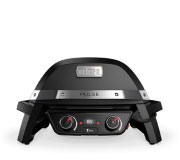
Prepare the barbecue for indirect cooking over medium heat (190°C to 230°C). If using a Weber Q barbecue, set up your barbecue with a convection tray and a trivet. If using a Weber Pulse, set up your barbecue with a trivet.
In a small bowl, mix together the harissa paste, crushed garlic, olive oil, salt and pepper. Spread half of the paste under the skin of the chicken breast and thighs. Spread the remaining paste all over the chicken. Tuck the wings under the breast and tie the legs and tailbone together with kitchen string to create an even shape for cooking.
Roast the whole chicken over indirect medium heat, with the lid closed, for about 1 hour and 15 minutes, or until the internal temperature has reached 71°C. The temperature will continue to rise 3°C to 6°C while the chicken is resting (the final doneness temperature for chicken is 74°C). Remove the chicken from the barbecue and leave to rest for 10 to 15 minutes before carving.
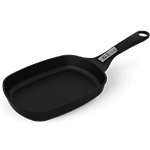
Set up your barbecue for direct cooking. Please refer to your handbook for further instructions. Place a large Weber Ware Frying Pan directly on the grill and preheat your barbecue for barbecuing. Once the barbecue has preheated, adjust the burner control(s) to medium-high heat.
Add 2 tablespoons olive oil to the frying pan, and then add the shallots, garlic, and speck, stirring every couple of minutes. Cook, with the lid closed, until the onion is browned, about 4 minutes.
Lightly oil the lamb steaks and season with salt and pepper. Place the steaks directly on the grill and cook for 2 minutes on each side. Remove from the grill.
Add the plain flour to the frying pan and cook for 2 minutes, with the lid closed, stirring every minute. Add the red wine, beef stock, tomato paste, and bay leaves. Bring to a gentle simmer, then remove the pan from the barbecue.
Set the barbecue up for indirect cooking (please refer to your handbook for further instructions). Roughly cut the lamb steaks into 2cm cubes. Return the frying pan back to the barbecue and add the lamb cubes to the sauce. Place a layer of alfoil on top of the frying pan and cook until the lamb is tender, about 1½ hours on the roasting setting.
While the lamb is cooking, make the polenta mash. In a large saucepan over high heat on a side burner or stove top, bring the water to a boil. Add the polenta, stirring every couple of minutes. Once the polenta has thickened and has come to a boil, turn the burner to low. Continue to cook for 15 to 20 minutes, stirring every couple of minutes. Once cooked, turn the burner off and stir in the cream, ⅓ cup of the Parmesan cheese, the butter, salt, and white pepper.
Remove the alfoil from the frying pan and spoon the polenta on top of the lamb filling. Top with the remaining ⅓ cup Parmesan cheese and the thyme. Return the pie back to the barbecue and cook until the Parmesan cheese is golden, a further 25 to 30 minutes on the roasting setting.
Prepare the Kettle for indirect cooking over high heat (230°C to 260°C).
Mix together all the rub ingredients in a small bowl. Trim off most of the fat from the rack of lamb. Lightly coat both sides of the lamb racks with oil and season with the spice rub. If desired, wrap the exposed bones with aluminium foil to protect the bones from burning.
Roast the lamb over indirect high heat, with the lid closed, for 25 to 35 minutes, or until cooked to your liking.
While the lamb is cooking, prepare the Chimichurri board dressing. On your chosen wooden serving board, finely chop the garlic. Add the parsley and coriander leaves to the garlic and finely chop. Add the remaining ingredients to the board, keeping the ingredients in the centre of the board. Using a fork, blend together the ingredients.
Once the lamb has cooked to your liking, sit the racks on the wooden serving board, meaty side down, on top of the dressing. Leave to rest for a couple of minutes before carving. Encourage your guests to drag both sides of the lamb cutlets through the dressing.
In a jug combine the honey, yeast, and warm water. Stir gently, and then set aside until the mixture is frothy, about 10 minutes.
Sift the flour, semolina, and 1 teaspoon salt into a large bowl of a stand mixer with a dough hook. Pour in the yeast mixture and the olive oil. Set the mixer on low to combine the mixture into a soft dough. Knead in a mixer for 10 minutes or turn out onto a lightly floured surface and knead by hand until the dough is smooth and elastic, 10 to 15 minutes. The dough will be quite wet. Place the dough into a lightly greased bowl. Cover with plastic wrap and place in a warm, draught-free area until the dough has doubled in size, about 1 hour.
Turn the dough out onto a lightly floured surface. Knock the air out of the dough. Add the chopped rosemary and olives. Knead until smooth.
For maximum air bubbles (optional): Form into a rectangle approximately 12cm x 30cm. Fold the top third into the centre, then fold the bottom third up over the previous fold. Quarter turn the dough (to the left or right) and again form into a 12cm x 30cm rectangle and fold as before.
Pour 1 tablespoon of the olive oil onto the serving tray of a large pizza stone. Place the dough on to the tray and press into shape. Cover with greased plastic wrap and place in a warm, draught-free area to prove for 40 minutes or until the dough has again doubled in height.
Set up your barbecue for indirect cooking with a convection tray, trivet, and large pizza stone. Refer to your Weber Q Pizza Stone handbook for further instructions. Preheat your barbecue for cooking with a pizza stone.
Use your finger to create 20 dimples in the dough. Remove the leaves from the rosemary sprigs and place small bunches of the rosemary and an olive into each dimple. Brush the dough with the remaining 1 tablespoon of olive oil and sprinkle all over with the sea salt flakes.
Once the barbecue has preheated, cook the focaccia on the pizza stone until golden and sounds hollow when tapped on the base, 20 to 25 minutes.
Don’t miss out! Be the first to know about the latest news and promotions.